
TPC26-logotype-h-rev-1000

Agenda

TPC26 agenda is currently being compiled — sign up for an announcement once it is ready.

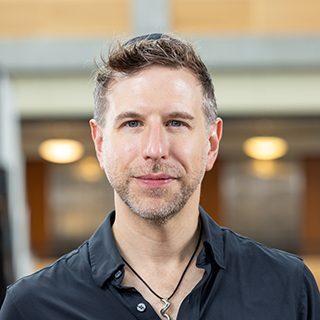
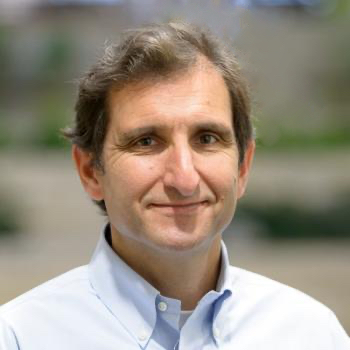
Confirmed keynotes and invited talks include:

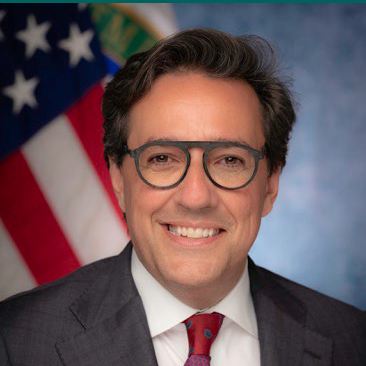
Dario Gil

Under Secretary for Science, Department of Energy
(Conference Keynote)
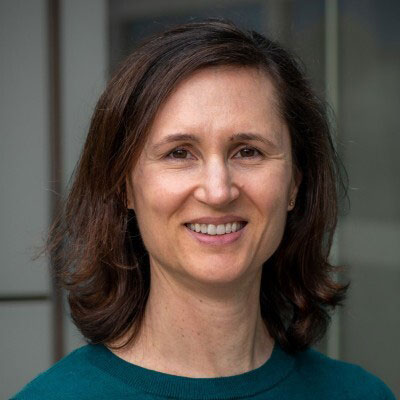
Katie Antypas

Director, Office of Advanced Cyberinfrastructure, US National Science Foundation
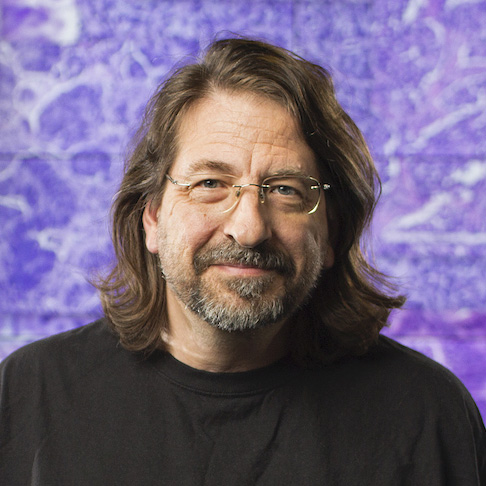
Rick Stevens

Associate Laboratory Director, Professor of Computer Science, Argonne National Laboratory
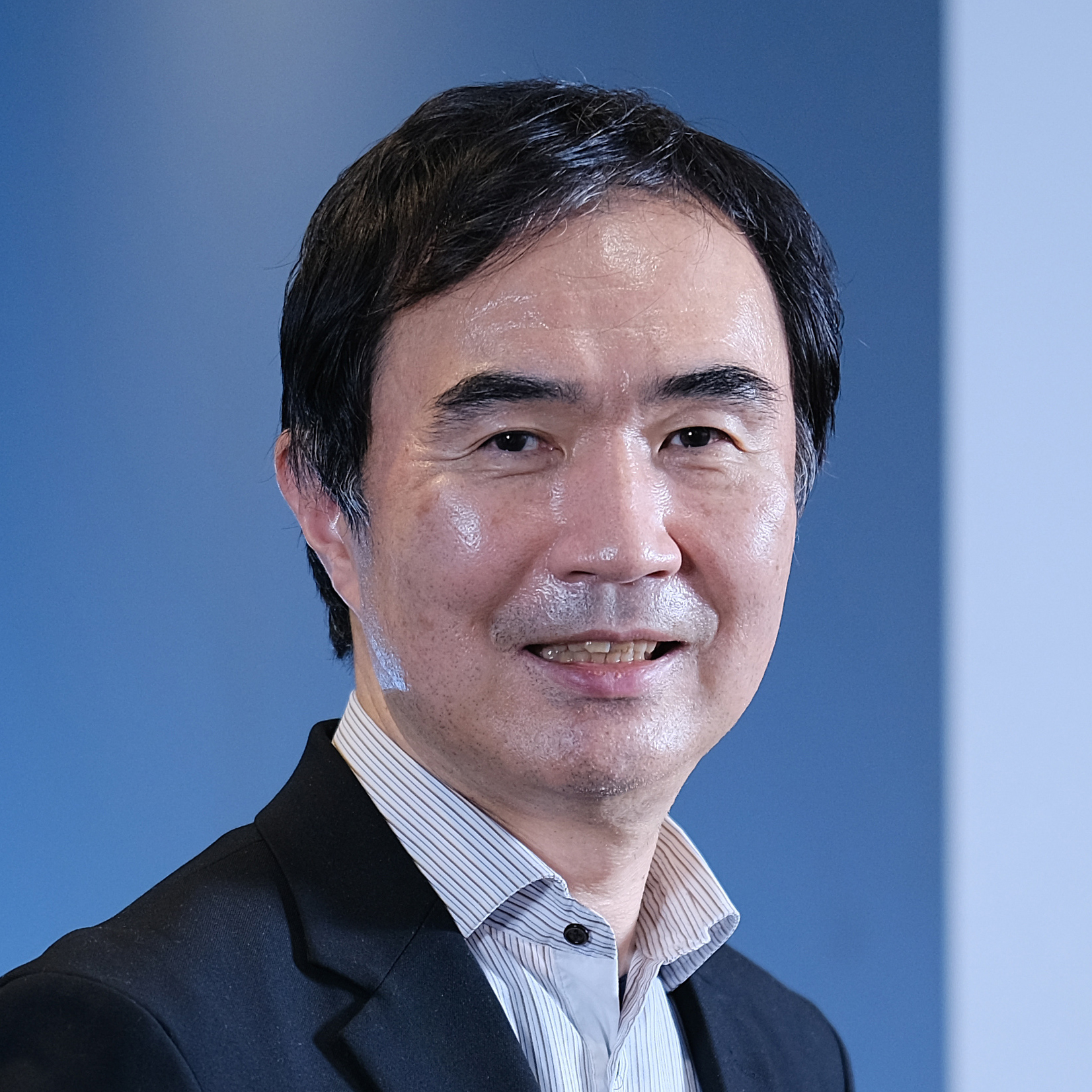
Satoshi Matsuoka

Director, RIKEN Center for Computational Science
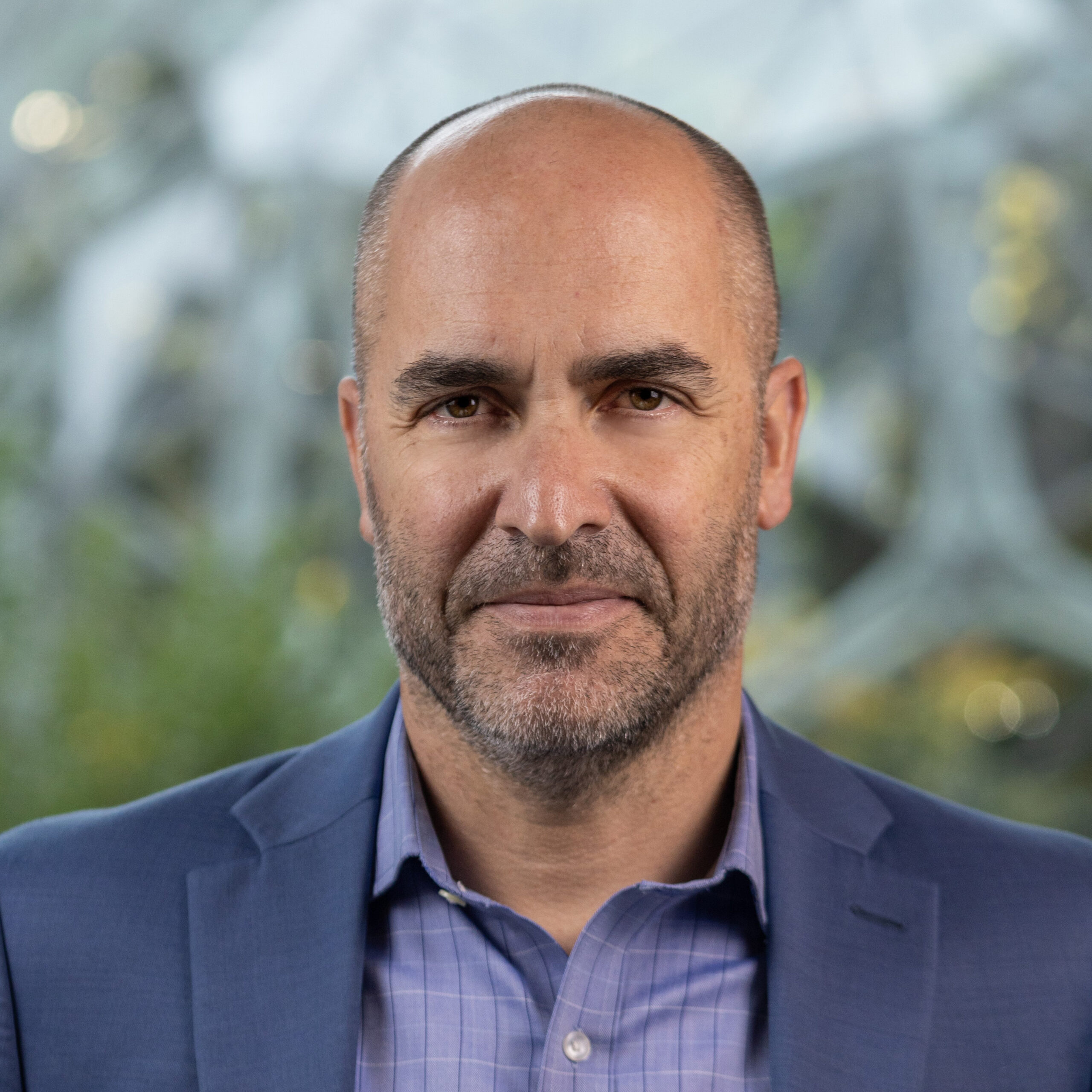
Thierry Pelegrino

Global Head of Core and Advanced Computing, Amazon Web Services
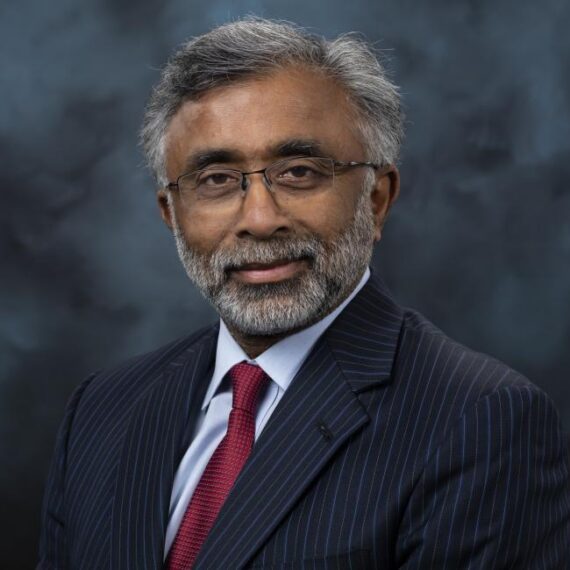
Noah A. Smith

Vice Provost for AI, Charles and Lisa Simonyi Endowed Chair for Artificial Intelligence and Emerging Technologies, University of Washington
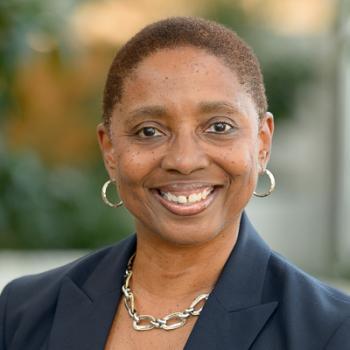
Valerie Taylor

Director, Mathematics and Computer Science Division, Argonne National Laboratory
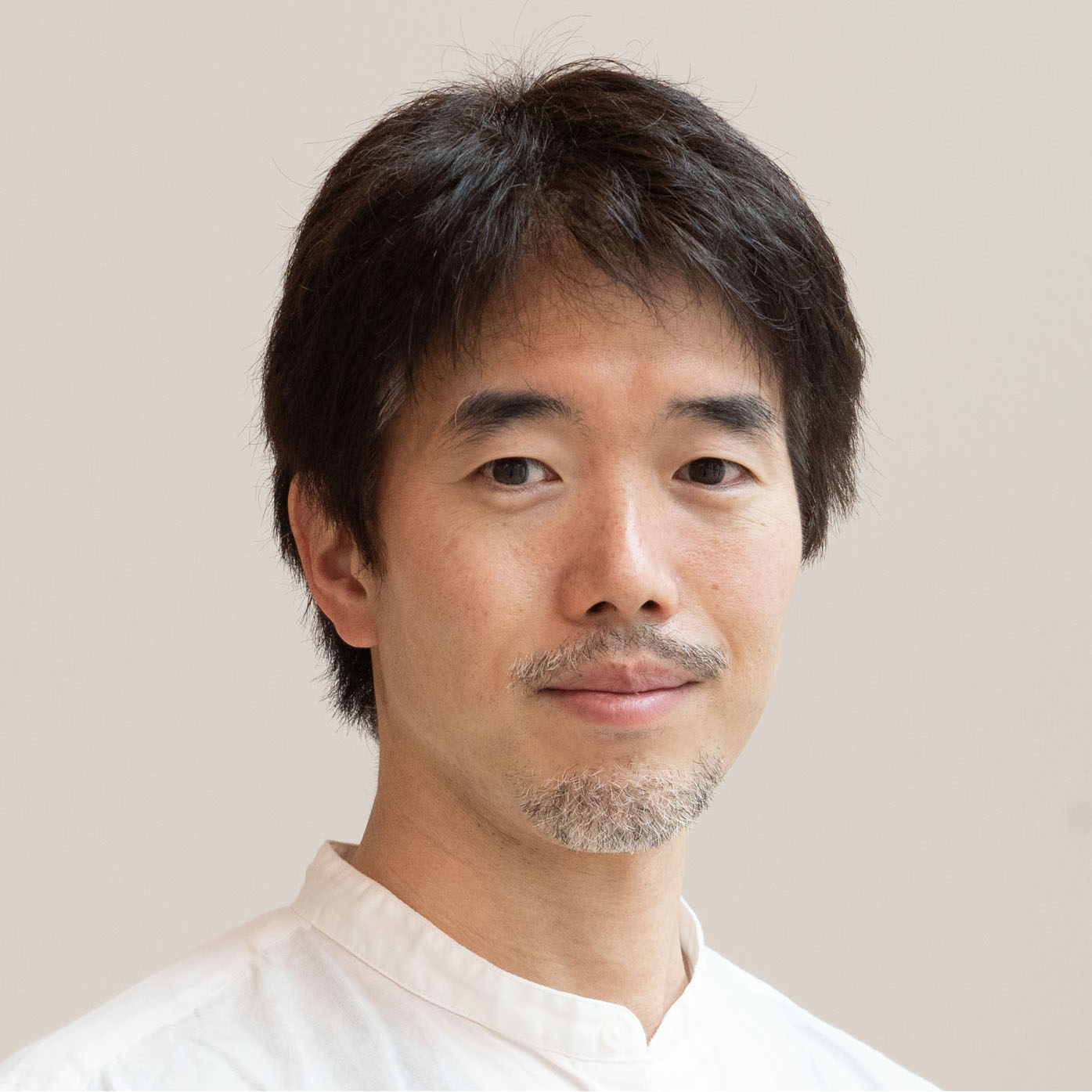
Rio Yokota

Professor, Institute of Science Tokyo
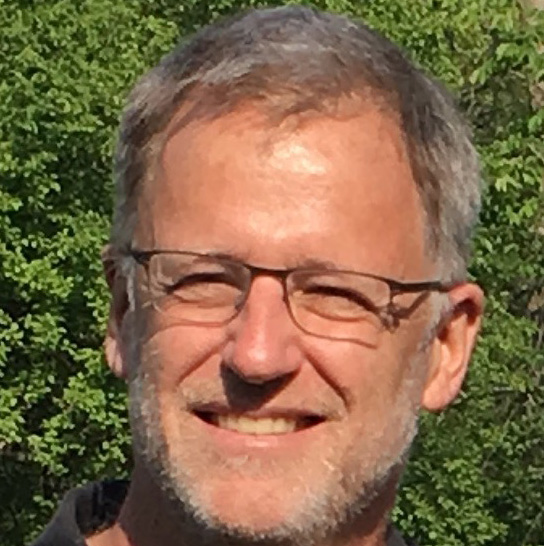
Ian Foster

Data Science and Learning Division Director, Argonne National Laboratory
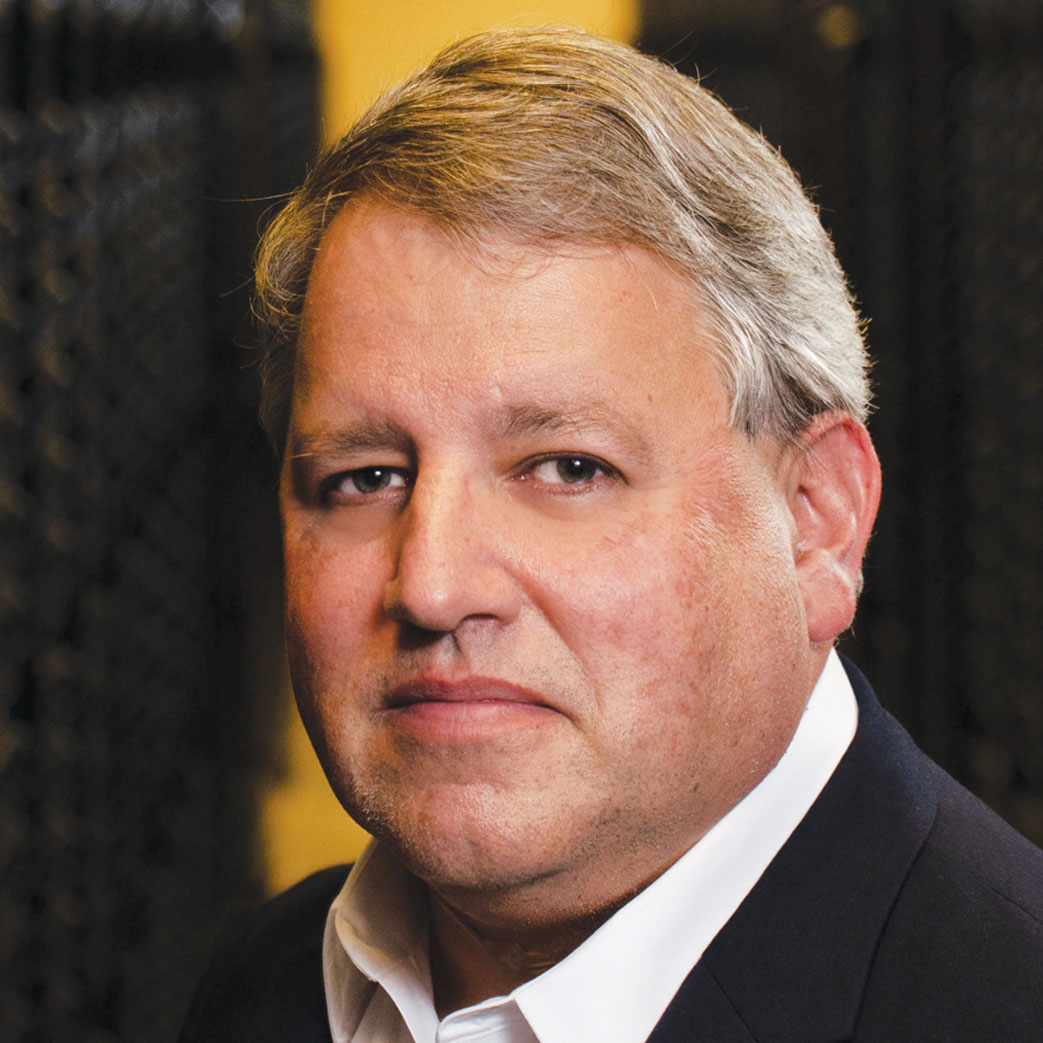
Dan Stanzione

Executive Director, Texas Advanced Computing Center (TACC) and Associate Vice President for Research, UT-Austin

Franck Cappello

R&D Lead, Senior Computer Scientist, Argonne National Laboratory
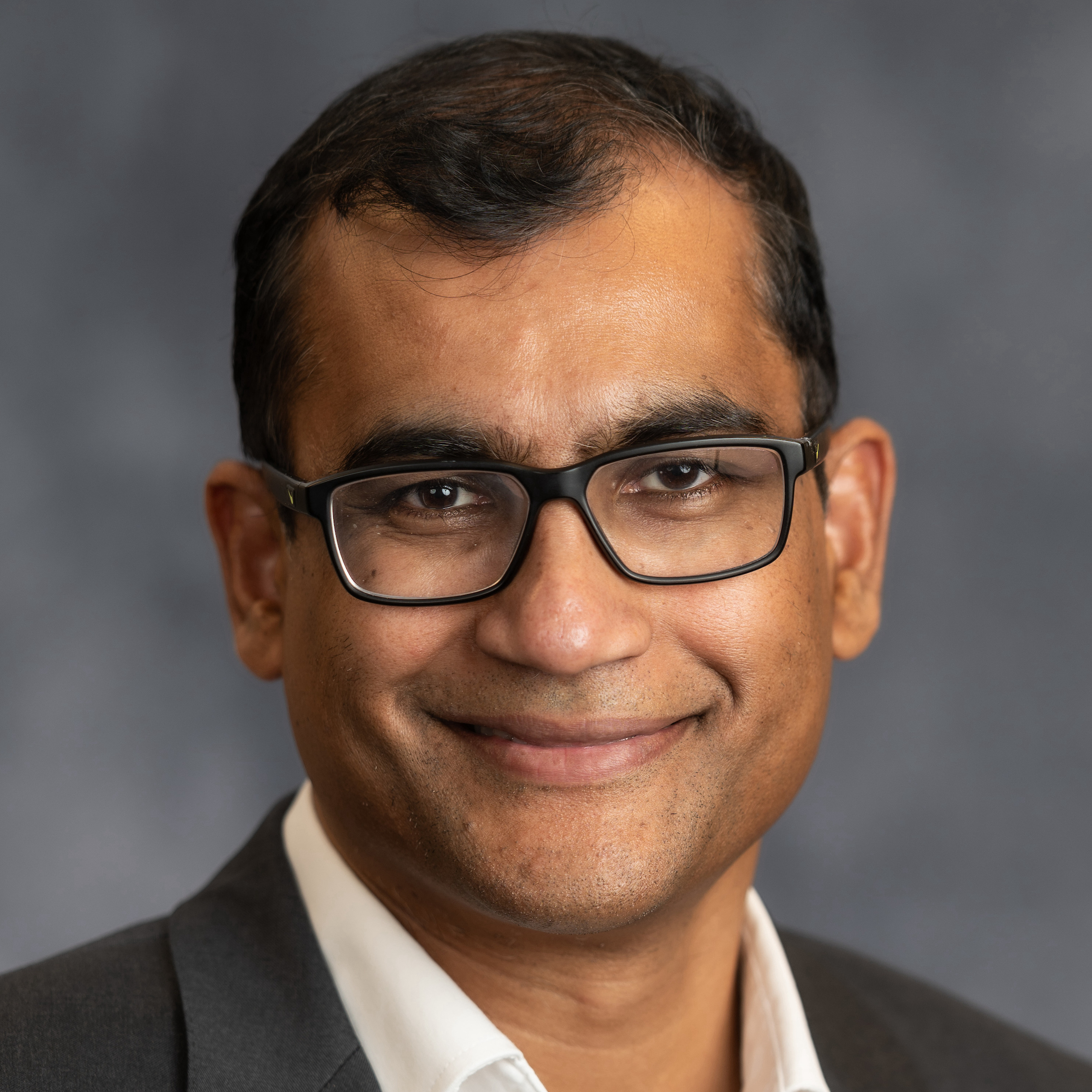
headshot of Karthik Duraisamy

Karthik Duraisamy

Samir and Puja Kaul Director of the Michigan Institute for Computational Discovery and Engineering and Professor, University of Michigan Aerospace Department

This year, TPC26 will feature forty 90-minute breakout sessions on June 2 and 3, organized into eight parallel tracks around these topics:

    1. Infrastructure to Enable Shared Data & Computing (SHAR)
      Collectively build scientific training data resources and shared computing infrastructure to support foundation model training and further fine-tuning for general-purpose and domain-specific settings. Establish scalable and sustainable capabilities that serve as the foundation for Tracks (2)-(7).
    2. Open Frontier Models (MAPE)
      Build frontier-scale, open AI models using shared data and computing infrastructure (from Track 1), harnessing distributed resources across TPC partner institutions. Ensure that all core components are openly available to transparency, reuse, and scientific progress.
    3. Open Frontier AI Systems (FAST)
      Drive development and creation of frontier AI systems for science that incorporate reasoning models (start with SOA closed models, eventually include Open frontier model) and develop domain foundation models, knowledge graphs, agentic systems and orchestrations, simulators and experiments.
    4. Software Infrastructure/Frameworks (SOFT)
      Develop software infrastructure and middleware to support the training, deployment, and integration of complex frontier-scale AI models and systems. Provide the technical backbone for Tracks 2 and 3, while enabling integration with experimentation platforms, laboratories, instruments, and other real-world scientific environments.
    5. Open Suite for Evaluating Model Skills, Knowledge, Reasoning, and Safety (EVAL)
      Develop an open suite of tools, methods, and benchmarks for evaluating the scientific skills, knowledge, reasoning, agentic capabilities and safety/security of frontier models and AI systems.
    6. Driving Challenge Applications (APPS)
      Identify challenge applications for driving and evaluating Tracks 1 to 3. Not centrally picking winners and losers, but asking the community to volunteer (and drive) scientific challenge applications, aiming for diversity on multiple axes (including industry applications).
    7. Training- and Deployment-Level Safety and Alignment (SAFE)
      Develop methods to embed safety and alignment directly into the training and deployment of frontier-scale models and AI systems, including reasoning models and complex system compositions. Focus on system-level mechanisms that maintain alignment with scientific objectives and constraints, and with broader societal values, at extreme scale and in high-impact settings.
    8. Workforce Development (WORK)
      Identify and report on progress in developing the workforce required to achieve Tracks 1 to 7, with particular attention to emerging and evolving roles across the frontier AI stack. Examine needs across all career stages and share recent experiences and lessons learned to inform sustainable talent development.

Breakout slots will accommodate existing TPC working groups and Birds-of-a-Feather (BOF) sessions. The latter may be initiatives or multi-institutional projects seeking collaborators, prospective new TPC working groups, or other topics of general interest to the TPC community.

Please use these forms to propose BOF sessions and lightning talks:

  • Propose Working Group Sessions here (for existing TPC working group leads only)
  • Propose a BOF Session here
  • Propose a Lightning Talk here


For reference as to what the full TPC26 agenda will look like, please see the TPC25 agenda here and the TPC25 session descriptions here.

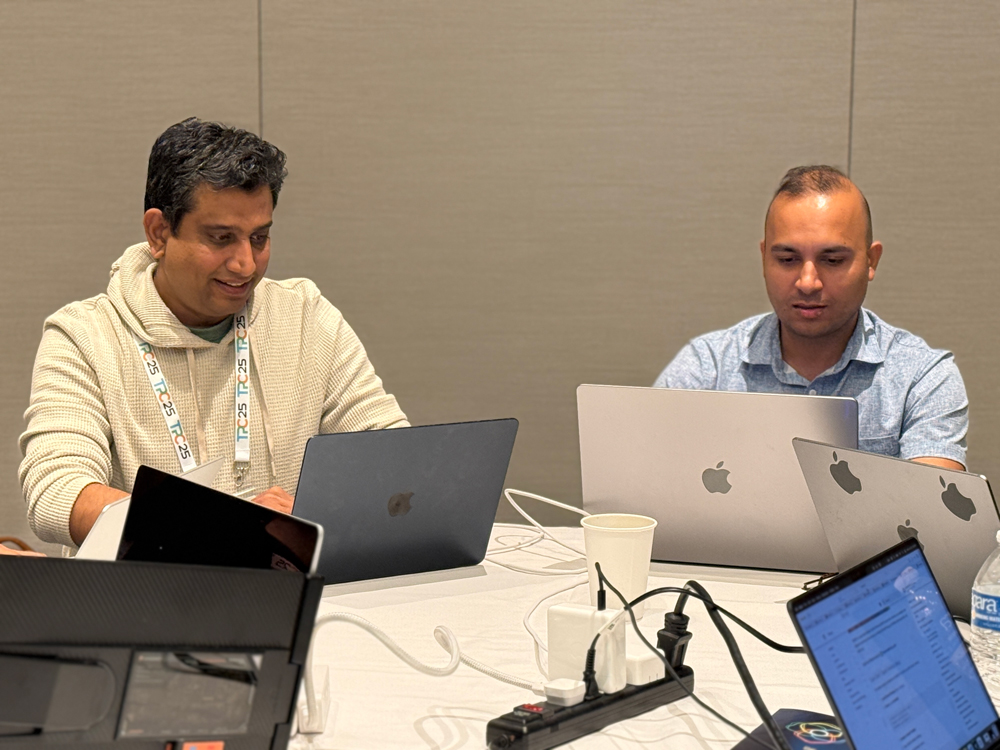
TCP attendees working side-by-side on their laptops.

Keep Me Updated

Name(Required)
Email(Required)