

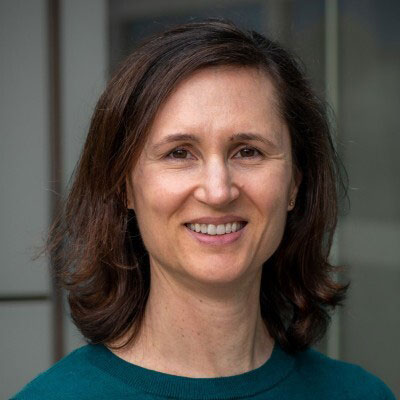
Senior Advisor for Cyberinfrastructure, US National Science Foundation
Katie Antypas is the Senior Advisor for Cyberinfrastructure at the US National Science Foundation overseeing the strategic directions for the Office of Advanced Cyberinfrastructure, which supports the development and deployment of advanced computing, data infrastructure, tools, services, and training for the research community. It is also the Office responsible for the launch and deployment of the National AI Research Resource (NAIRR) Pilot. Prior, Katie spent 17 years at Berkeley Lab at the National Energy Research Scientific Computing Center. She has an M.S. in CS from the University of Chicago and a Bachelors degree in Physics from Wellesley College.

PhD Student, Mechanical Engineering and Scientific Computing, University of Michigan
Anoushka Bhutani is a PhD candidate in Mechanical Engineering and Scientific Computing at the University of Michigan, working at the intersection of chemistry and machine learning. She works on developing molecular foundation models to accelerate materials discovery with an interest in developing model interpretability methods for scientific applications and advancing methods for compute-efficient training of scientific foundation models.
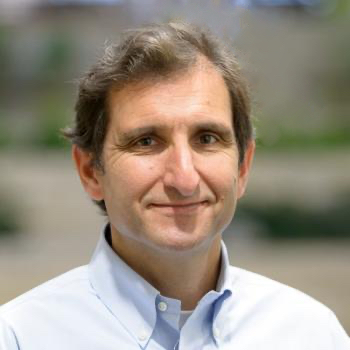
R&D Lead, Senior Computer Scientist, Argonne National Laboratory
Franck Cappello is an R&D Lead and Senior Computer Scientist at Argonne National Laboratory. He leads a research team exploring resilience for HPC and large-scale distributed systems, lossy compression of scientific data, and AI for science. Franck is currently focusing on LLMs and co-scientist evaluation along with scientific hypothesis generation. He is an ACM and IEEE Fellow, the recipient of the 2024 IEEE CS Charles Babbage Award, the 2024 Europar Achievement Award, the 2022 ACM HPDC Achievement Award, two R&D100 awards (2019 and 2021), the 2018 IEEE TCPP Outstanding Service Award, and the 2021 IEEE Transactions on Computer Award for Editorial Service and Excellence.
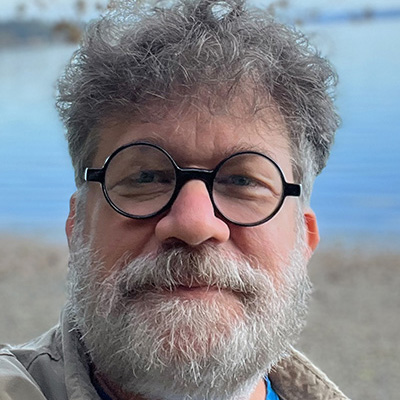
Executive Director, Trillion Parameter Consortium | Senior Computer Scientist, Argonne National Laboratory | The University of Chicago
Charlie Catlett is a Senior Computer Scientist at the U.S. Department of Energy’s Argonne National Laboratory, and a Visiting Scientist at the University of Chicago’s Mansueto Institute for Urban Innovation. His research focuses on building cyberinfrastructure to embed edge-AI in urban, environmental, and emergency sensing and response settings. He was founding chair of Grid Forum / Global Grid Forum from 1999-2005 and director of NSF’s TeraGrid initiative from 2004-2007. Charlie was part of the team that established the National Center for Supercomputing Applications (NCSA) in 1985, leading efforts there including the deployment and operation of the NSFNET backbone network, an early component of the Internet, and serving as Chief Technology Officer prior to joining Argonne and UChicago in 2000. He was one of GovTech magazine’s “25 Doers, Dreamers & Drivers” of 2016 and in 2019 received the Argonne Board of Governors Distinguished Performer award. Charlie is a Computer Engineering graduate of the University of Illinois at Urbana-Champaign.
Computational Biologist, Argonne National Laboratory
Nicholas Chia is a Computational Biologist at Argonne National Laboratory whose work spans artificial intelligence, cancer biology, complex systems, and translational medicine. He received a B.S. in Physics from Georgetown University and a Ph.D. in Physics from The Ohio State University, followed by postdoctoral training in biocomplexity, collective effects, and evolution at the University of Illinois Urbana-Champaign. Prior to joining Argonne, Nick spent more than a decade at Mayo Clinic, where he served as Waterman Endowed Co-Chair of the Microbiome Program, Director of the Beyond DNA Multi-omics Strategic Theme within the Center for Individualized Medicine, Associate Director of the Microbiome Program, and Associate Professor of Medicine. During that time, he helped build Mayo’s microbiome and multi-omics programs and contributed to the introduction of technologies that ultimately supported 19 laboratory-developed tests reaching clinical go-live. His research has focused on colorectal cancer, cancer evolution, microbial ecology, genome-scale metabolic modeling, and the integration of multi-omic data into clinical and biological discovery. Nick is recognized for early work applying inverse reinforcement learning to cancer evolution, framing tumor progression as an adaptive process and developing computational approaches to infer the evolutionary pressures that shape disease trajectories. At Argonne, his work has expanded into AI for Science, scientific reasoning, biological foundation models, and large-scale computational biology. Nick is a contributor to BioAlchemy, a large-scale biological reasoning corpus derived from the scientific literature, and leads and collaborates on programs spanning scientific reasoning, causal inference, disease modeling, population health, biological foundation models, and AI-enabled discovery. His work leverages leadership-class computing resources to develop and evaluate AI systems for scientific research. Across national laboratories, academic medicine, and interdisciplinary research programs, Nick has worked on problems that require the integration of large-scale data, mechanistic modeling, and decision-making under uncertainty, with applications ranging from cancer and microbiome science to scientific reasoning and AI-driven discovery.
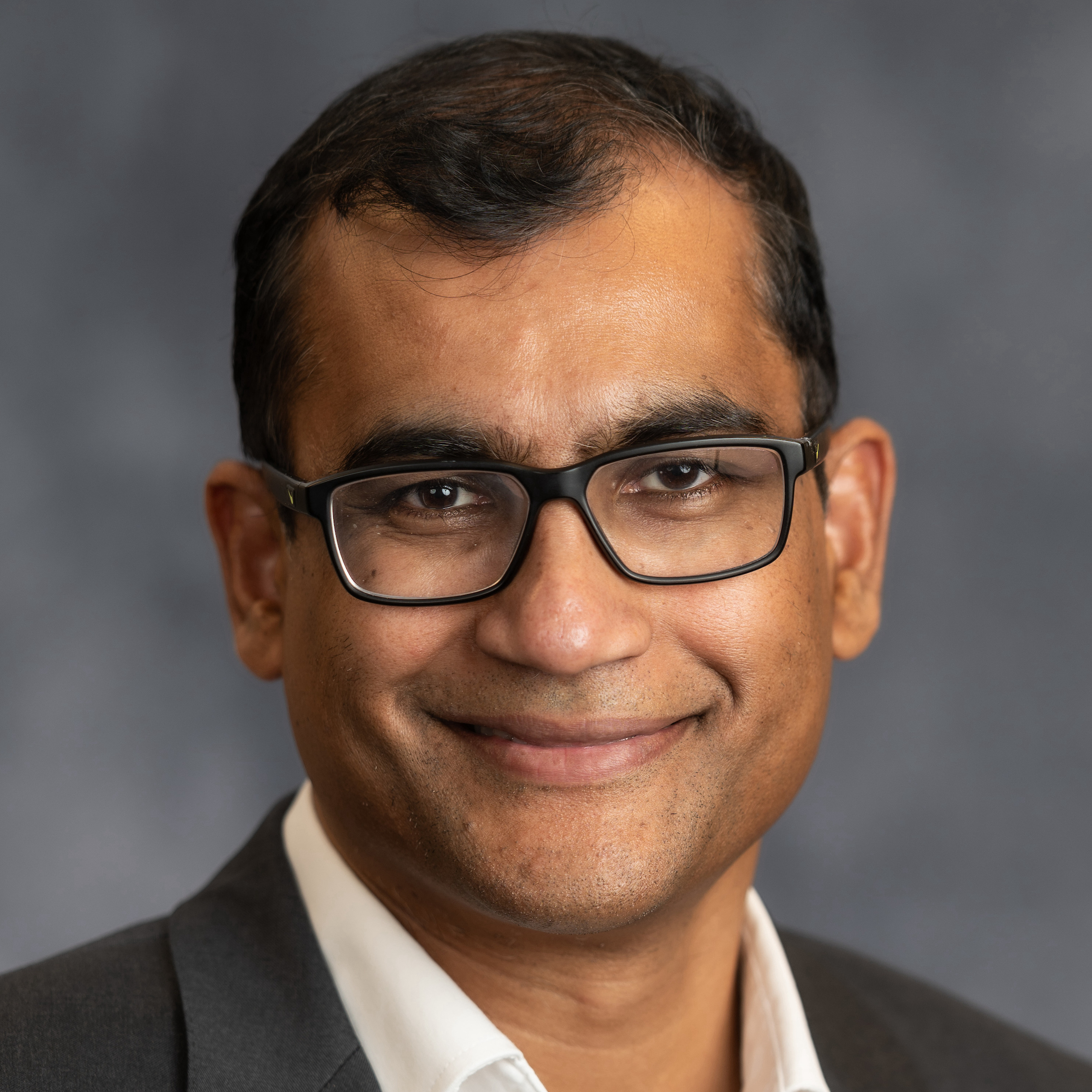
Professor of Aerospace Engineering, and Director, Michigan Institute for Computational Discovery and Engineering, University of Michigan
Karthik Duraisamy is a Professor of Aerospace Engineering at the University of Michigan (U-M) where he also directs the Michigan Institute for Computational Discovery and Engineering (MICDE). He holds a PhD in Aerospace Engineering and a Masters in Applied Mathematics from the University of Maryland. His research interests span a broad spectrum of computational science and AI, including data-driven and reduced order modeling, statistical inference, numerical methods, and Generative AI for science. Karthik is the PI of the U-M/Los Alamos Center on Advanced Computational Sciences. He is also the founder and chief scientist of the Silicon Valley-based startup Geminus.AI, which is focused on physics-informed AI to accelerate autonomous industrial operations.
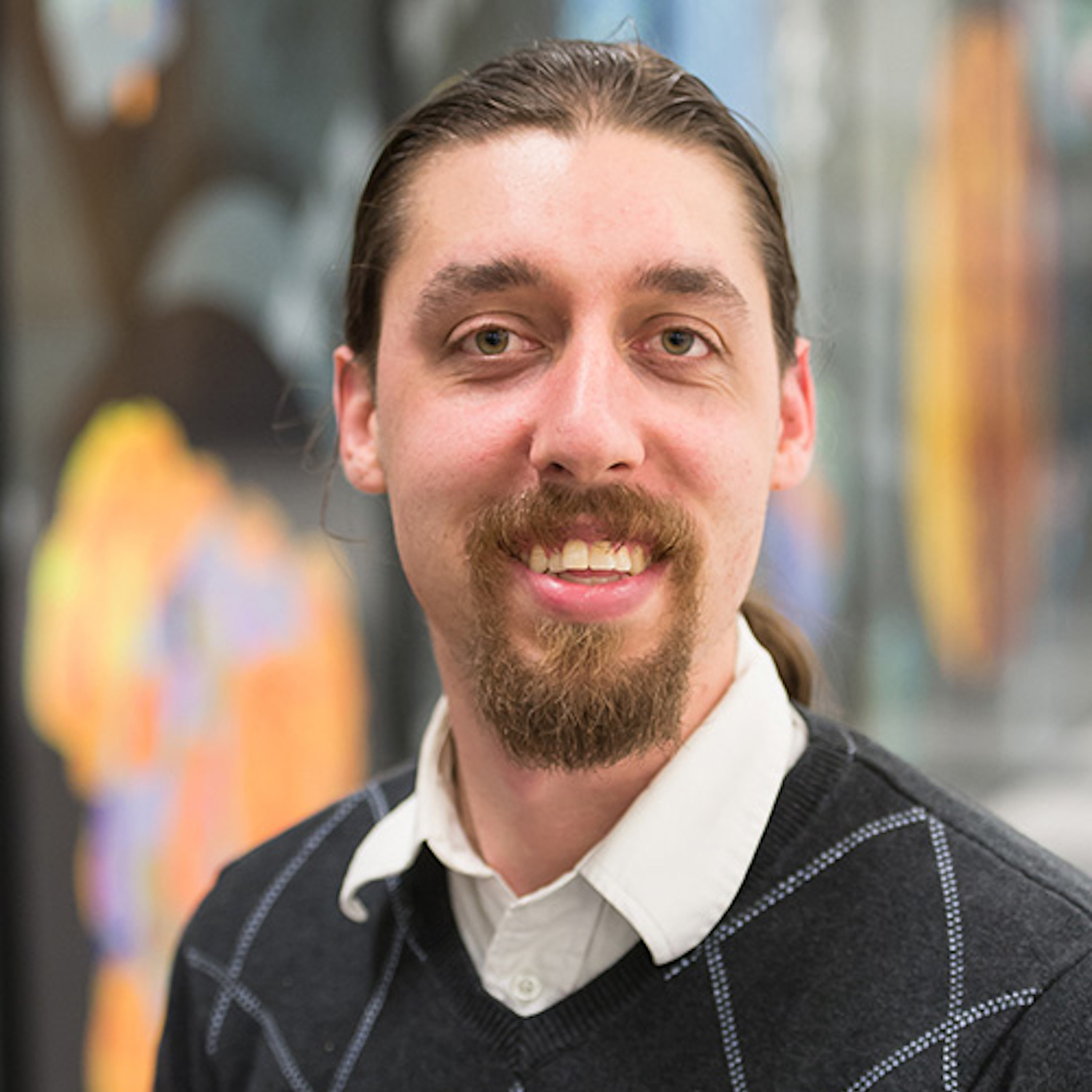
Director, Computational Science Research and Partnerships Division, Advanced Scientific Computing Research, Office of Science, U.S. Department of Energy
Hal Finkel serves as the Associate Director for the Advanced Scientific Computing Research (ASCR) program within the Department of Energy’s Office of Science, and the Office of Science lead for Genesis Mission, which is the U.S. Government’s new national initiative accelerate and enhance R&D using AI and advanced computing. Prior to joining ASCR, Hal spent nearly a decade at the Argonne National Laboratory as a physicist and computational scientist at Argonne’s Leadership Computing Facility (ALCF). Hal built and led a team at Argonne focused on advancing the computer science of compiler technology and programming languages. The team contributed significantly to the efforts of the Exascale Computing Project (ECP) in addition to exploring artificial intelligence, quantum computing, spatial architectures, and other forward-looking technologies. Hal holds a Ph.D. in Physics from Yale University, where he focused on early-universe cosmology.
Data Science and Learning Division Director, Argonne National Laboratory
Dr. Ian Foster is Senior Scientist and Distinguished Fellow, and also director of the Data Science and Learning Division, at Argonne National Laboratory, as well as the Arthur Holly Compton Distinguished Service Professor of Computer Science at the University of Chicago. Ian received a BSc degree from the University of Canterbury, New Zealand, and a Ph.D. from Imperial College, United Kingdom, both in computer science. His research deals with distributed, parallel, and data-intensive computing technologies, and innovative applications of those technologies to scientific problems in such domains as materials science, climate change, and biomedicine. Ian is a fellow of AAAS, ACM, BCS, and IEEE, and an Office of Science Distinguished Scientists Fellow.
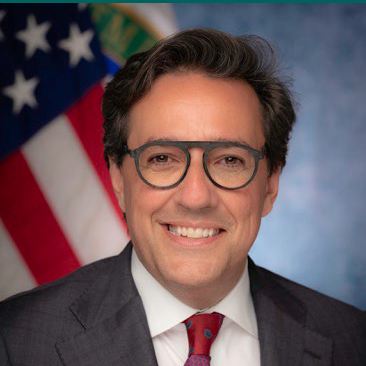
Under Secretary for Science,
Department of Energy
(Conference Keynote)
Dr. Dario Gil is Under Secretary for Science at the U.S. Department of Energy. His office is the nation’s largest federal sponsor of basic research in the physical sciences, supporting all 17 National Laboratories of the United States, and responsible for programs including advanced computing, fusion, nuclear and high energy particle physics, basic energy sciences, and biological and environmental research. He is the department’s principal advisor on science and technology. Prior to his current position, Dario was IBM Senior Vice President and Director of Research, where he was responsible for one of the world’s largest and most influential corporate research labs. He was elected to the National Academy of Engineering “for his contributions to artificial intelligence and quantum computing” and is a globally recognized leader of the quantum industry. Under his leadership, IBM was the first company in the world to build programmable quantum computers and make them universally available through the cloud. Dario is an inventor and an institutional innovator, the force behind the creation of the International Science Reserve, the AI Alliance, the MIT-IBM Watson AI Lab, and the COVID-19 High Performance Computing Consortium. Dr. Gil has served on the President’s Council of Science and Technology Advisors (PCAST) and on the National Science Board (NSB), where he was the first member from industry to be elected chairman in 30 years. He has served on numerous boards, including the Center for Strategic and International Studies (CSIS), the New York Academy of Sciences, the Semiconductor Industry Association (SIA), the New York Hall of Science, and Rensselaer Polytechnic Institute (RPI). Dario is the recipient of two honorary doctorates and received his Ph.D. in Electrical Engineering and Computer Science from MIT.
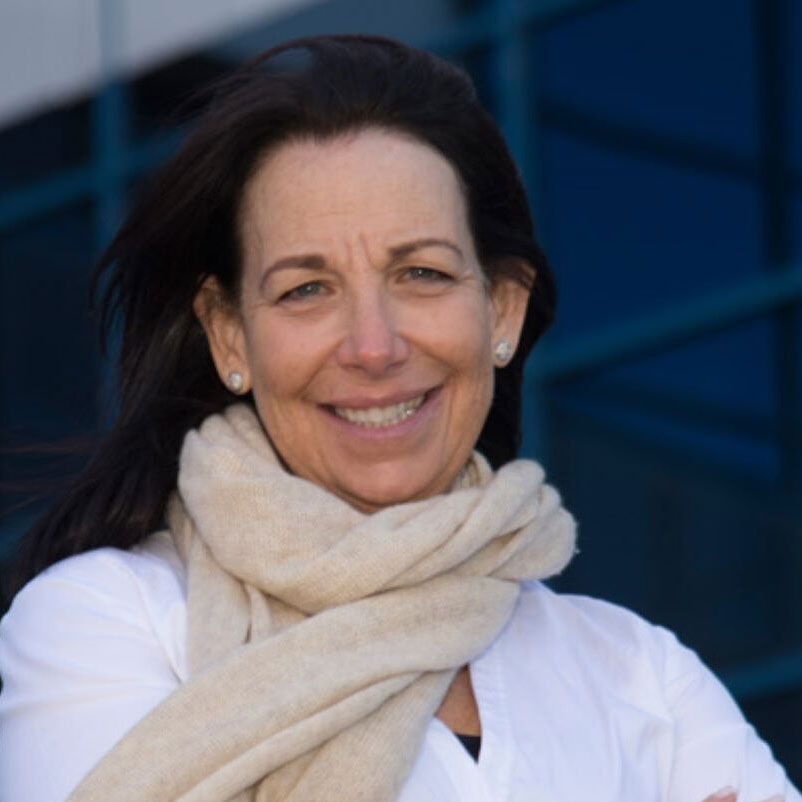
Director, Products and Strategy, Federal Supercomputing and AI, Amazon Web Services
Debra Goldfarb recently transitioned from her role as Director of Advanced Computing, Simulation, and Quantum Products and Strategy at AWS to focus on Federal Supercomputing and AI, leading the company’s efforts to help transform critical U.S. government and industrial base missions that position America to lead in the next generation of computational discovery. Prior to AWS, Debra was an Intel Fellow and served as Chief Analyst for Intel’s Data Platform Group Strategy Organization. In that role, she spearheaded Intel’s expansion of HPC into new markets and was instrumental in defining strategy and pathfinding for the Technical Computing Group. Before Intel, Debra led strategy and evangelism for Microsoft’s Technical Computing organization, driving high-profile collaborations including the Gates Foundation’s Malaria initiative. Debra launched her career as an industry analyst at IDC, where she founded the HPC practice and the HPC User Forum, established the Life Sciences practice, and built the Bio-IT business portfolio. Her leadership in HPC has helped shape U.S. technology policy and the global HPC ecosystem.
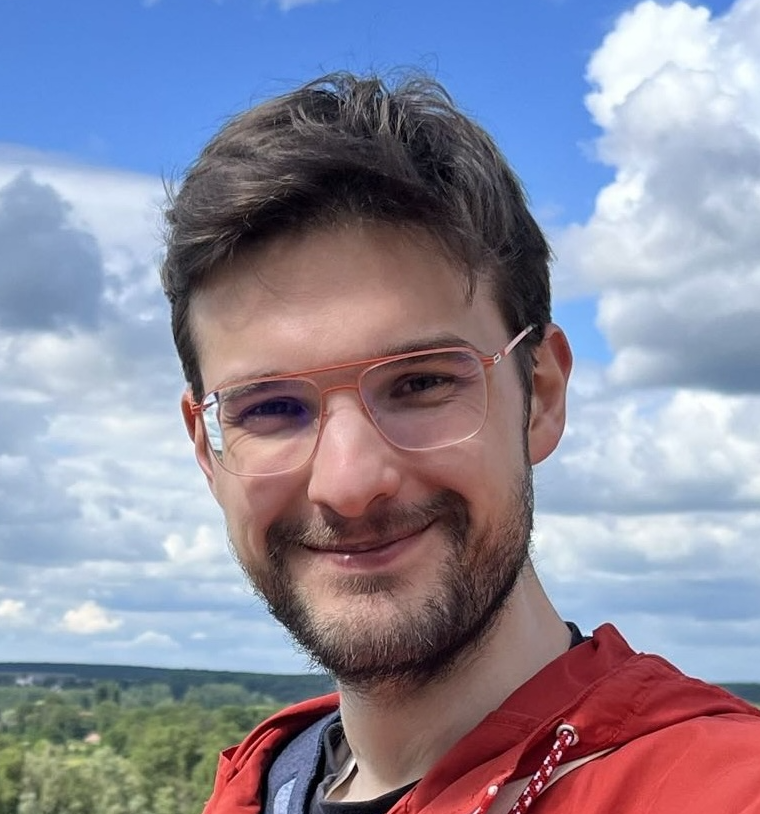
Postdoctoral Researcher, Center for Biosystems Dynamics Research, RIKEN R-CSS
Elliott Jacopin is a Postdoctoral Researcher at RIKEN’s Center for Biosystems Dynamics Research in Kobe, Japan, in the Laboratory for Biologically Inspired Computing led by Takahashi Koichi. Trained as an engineer at AgroParisTech, his background spans multi-drug resistance modeling at CNRS, multi-agent systems applied to image analysis, and whole-cell simulation infrastructure at RIKEN. Elliott’s recent work sits at the intersection of scientific software accessibility and agentic AI. He launched Cracking Shells, an open-source ecosystem for scientific MCP servers, and followed it with research on using Hierarchical Task Networks (HTN) planning as a deterministic coordination layer for multi-agent tool orchestration, bringing formal planning discipline to what is otherwise ad-hoc LLM sequencing.
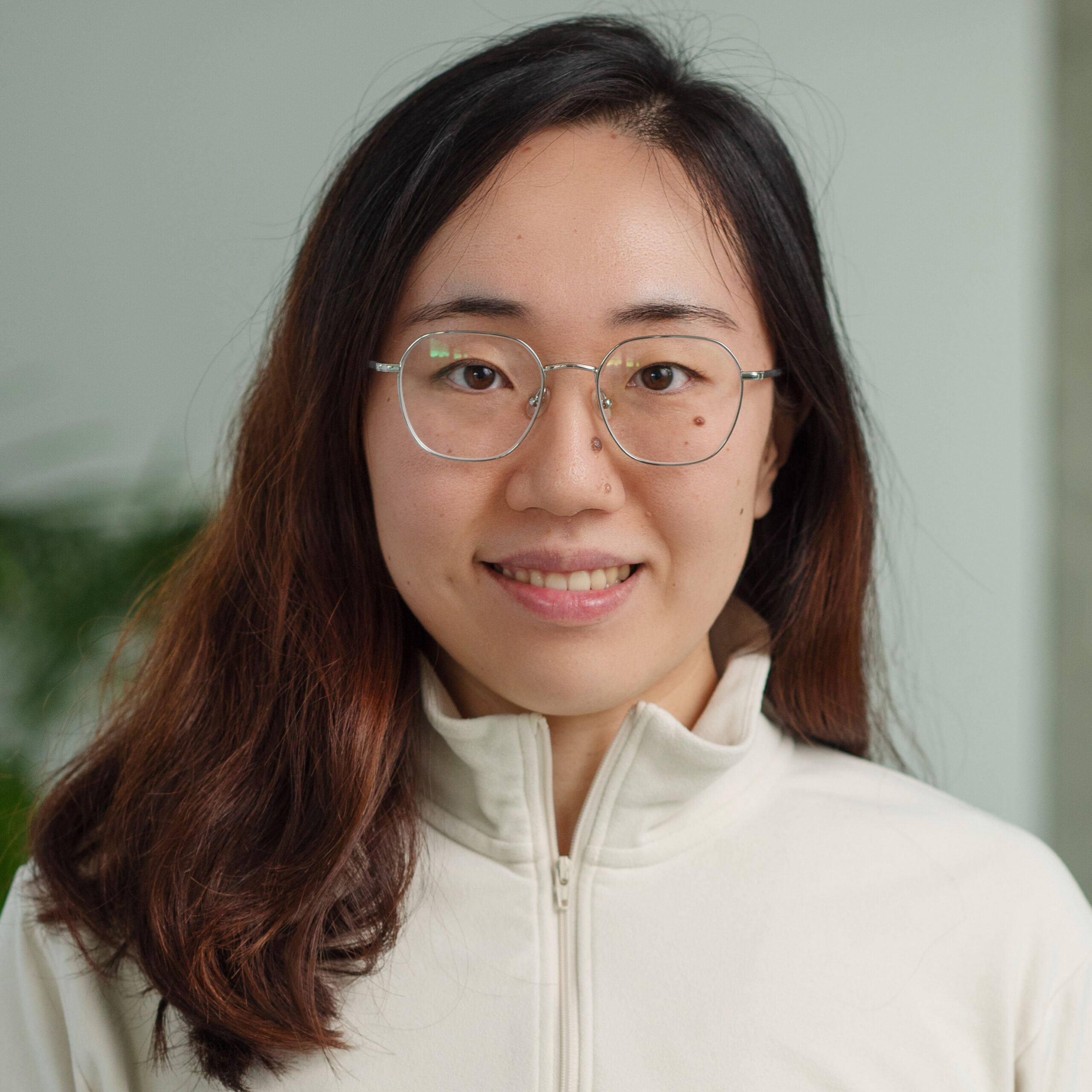
PhD Student, Paul G. Allen School of Computer Science & Engineering, University of Washington
Liwei Jiang is a final-year Ph.D. candidate in the Paul G. Allen School of Computer Science & Engineering at the University of Washington, advised by Professor Yejin Choi. She was previously a graduate student researcher at NVIDIA and the Allen Institute for Artificial Intelligence (Ai2). Liwei’s research focuses on humanistic, pluralistic, and coevolutionary AI safety and alignment, where she spearheads research on moral and pluralistic value reasoning in language models and develops data-, algorithm-, and system-level solutions to socio-technical challenges in AI safety, security, and large language model alignment. Her work has received Best Paper Awards at NeurIPS 2025, NAACL 2022, and CHI 2024, as well as Outstanding Paper Awards at EMNLP 2023 and the AIA Workshop at COLM 2025, and has been featured in The New York Times, Nature Outlook, IEEE Spectrum, Wired, and other major media. Liwei co-organizes workshops, including MP2 (NeurIPS 2023) and SoLaR (NeurIPS 2024; COLM 2025), and co-leads the Guardrails and Security for LLMs tutorial at ACL 2025.
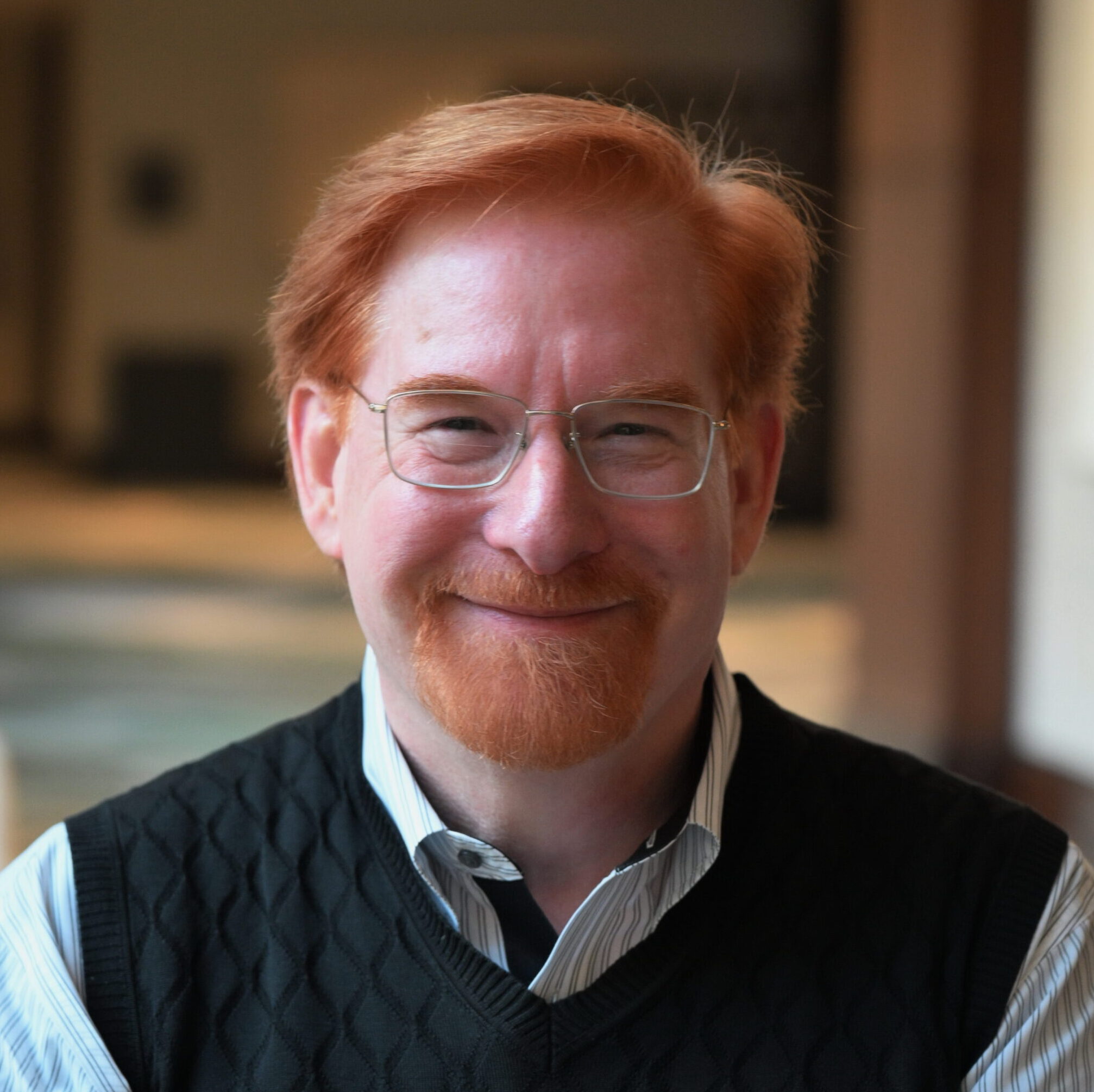
CEO, Hyperion Research
Earl Joseph, Chief Executive Officer of Hyperion Research, drives research and consulting efforts associated with the United States, Europe, and Asia-Pacific markets for technical computing. He advises Hyperion Research clients on the competitive, managerial, technological, integration, and implementation issues for HPC and AI, and heads up Hyperion Research’s high-end HPC user forum activities. Earl’s areas of expertise include technical computers (from entry-level servers to high-end capability supercomputers), software, AI technologies, storage, and networking solutions. He has worked for four technical computing companies in multiple marketing and R&D roles. Earl holds a Ph.D. from the University of Minnesota, where his research focus was the strategic management of high technology firms, and an undergraduate degree in business and technology from the University of Minnesota.
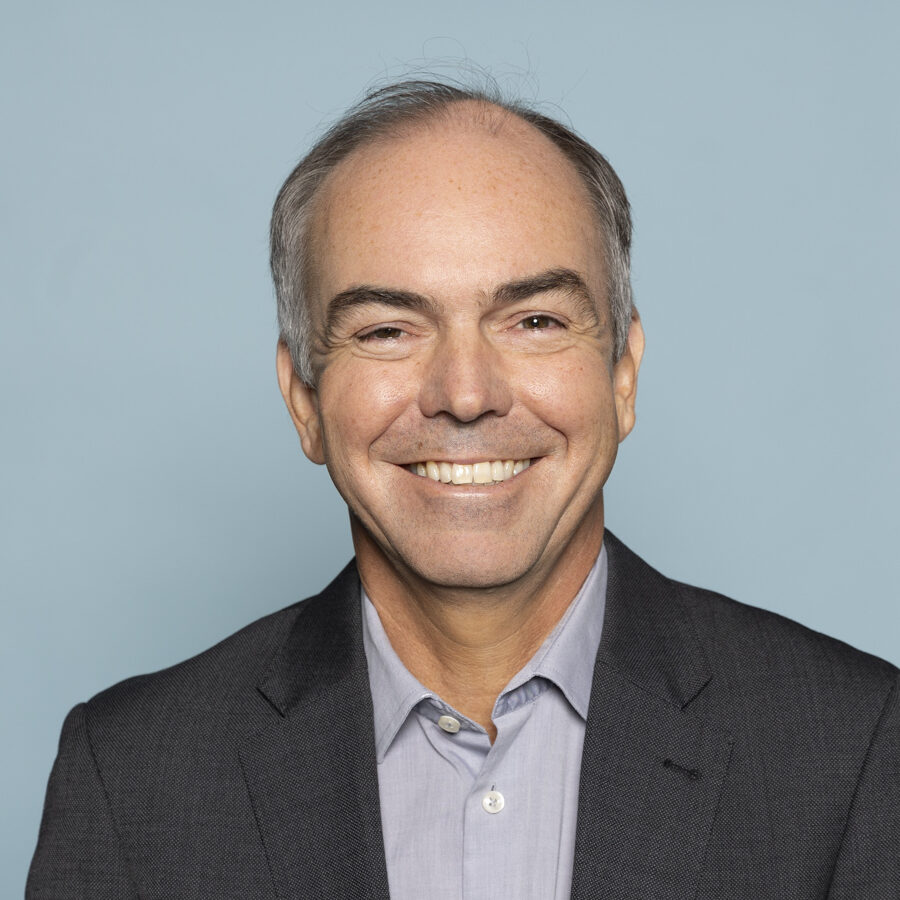
Chairman of the Board of the Leibniz Supercomputing Centre (LRZ) | Full Professor, Ludwig-Maximilians-University Munich (LMU)
Prof. Dr. Dieter Kranzlmüller is a full professor of computer science at Ludwig-Maximilians-Universität München (LMU) and Chairman of the Board of Directors of the Leibniz Supercomputing Centre (LRZ) of the Bavarian Academy of Sciences and Humanities. He also serves on the board of the German national Gauss Centre for Supercomputing (GCS). Dieter applies his broad research interests and background in academia as well as industry to emphasise tight integration between IT service operations and progressive R&D. His support for the advancement of innovation and the greater public-private ecosystem has been prevalent throughout his professional career, and manifests in his contributions to, amongst others, the Center for Digital Technology and Management (CDTM), the Münchner Kreis, and in his role as founding member of IT:U Linz or the Scientific Advisory Board at Heidelberg Institute for Theoretical Studies.
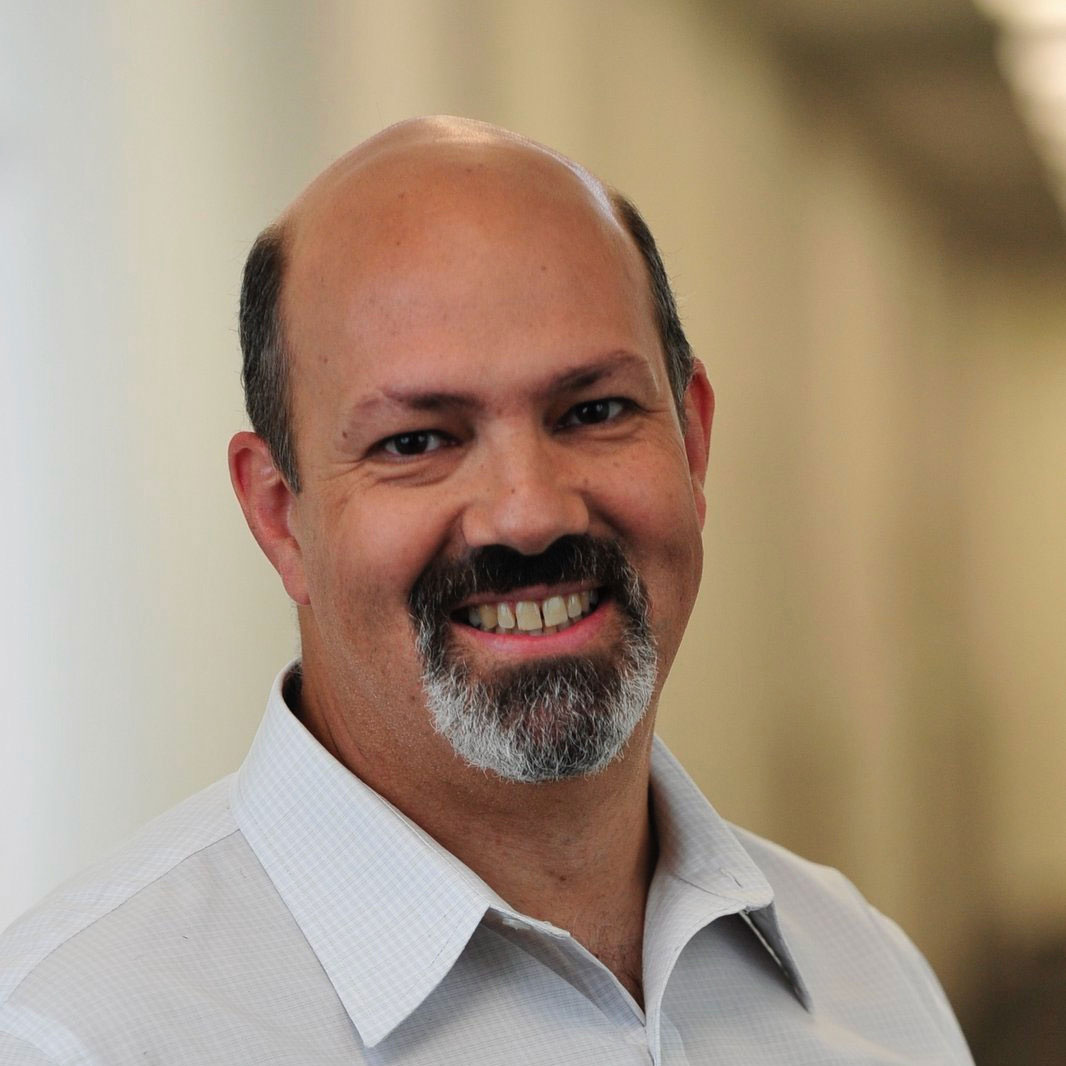
Global Director and Chief Technologist of High Performance Computing, Google Cloud
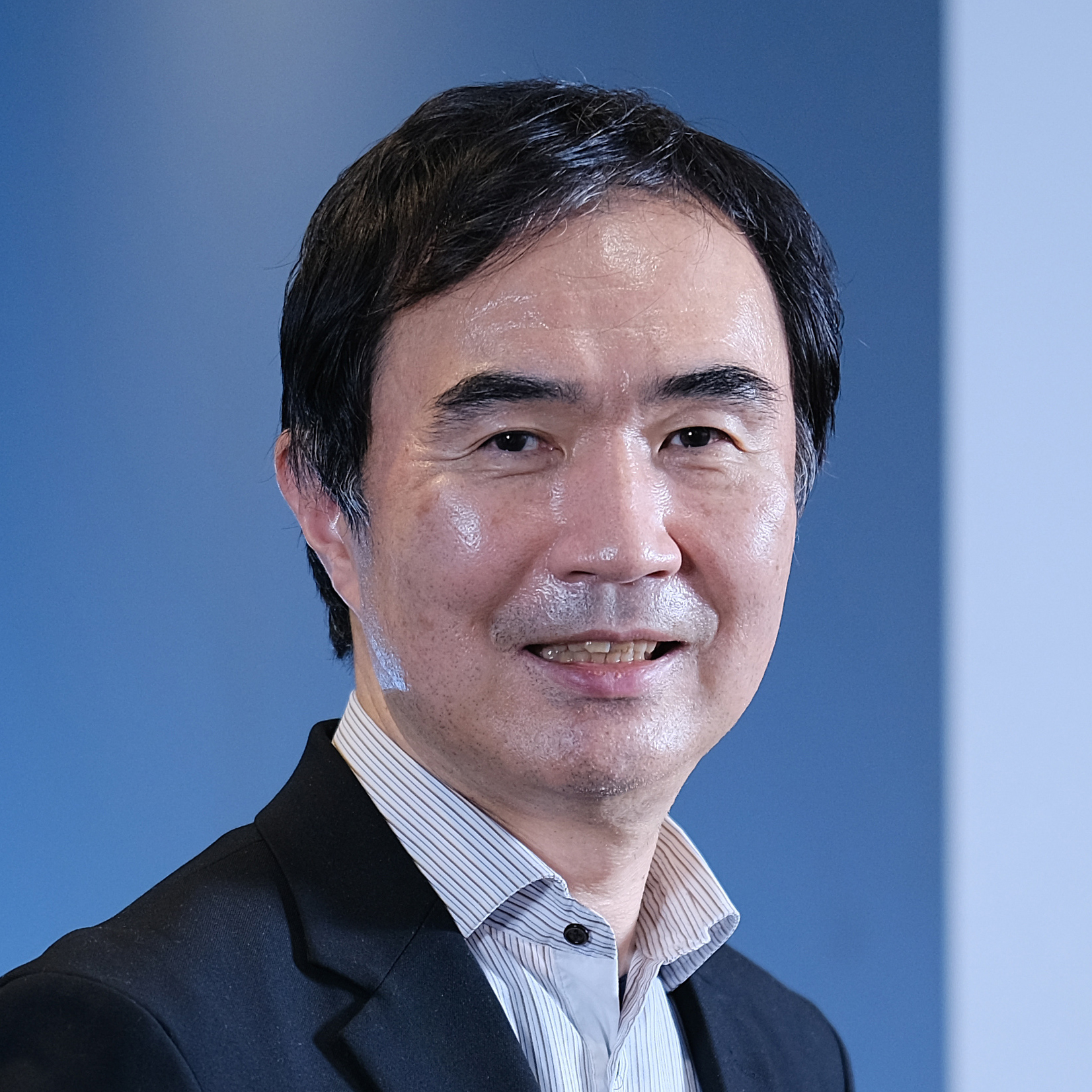
Director, RIKEN R-CCS
Professor Satoshi Matsuoka has been the director of Riken Center for Computational Science (R-CCS), the Tier-1 national HPC center for Japan, since April 2018, developing and hosting Japan’s flagship ‘Fu-
gaku’ supercomputer. Fugaku was the fastest supercomputer in the world in 2020 and 2021, supporting cutting-edge HPC research, including investigating Post-Moore era computing and especially the future FugakuNEXT supercomputer. Satoshi led the TSUBAME series of supercomputers that received much international acclaim at the Tokyo Institute of Technology, where he holds a professor position pursuing research in HPC, scalable big data, and AI. His longtime contribution was commended with the Medal of Honor with Purple ribbon by his Majesty Emperor Naruhito of Japan in 2022. Satoshi is a Fellow in ACM, ISC, IPSJ, and the JSSST and has won numerous awards, including ACM Gordon Bell Prizes, the IEEE-CS Sidney Fernbach Award, and the IEEE-CS Computer Society Seymour Cray Computer Engineering Award.
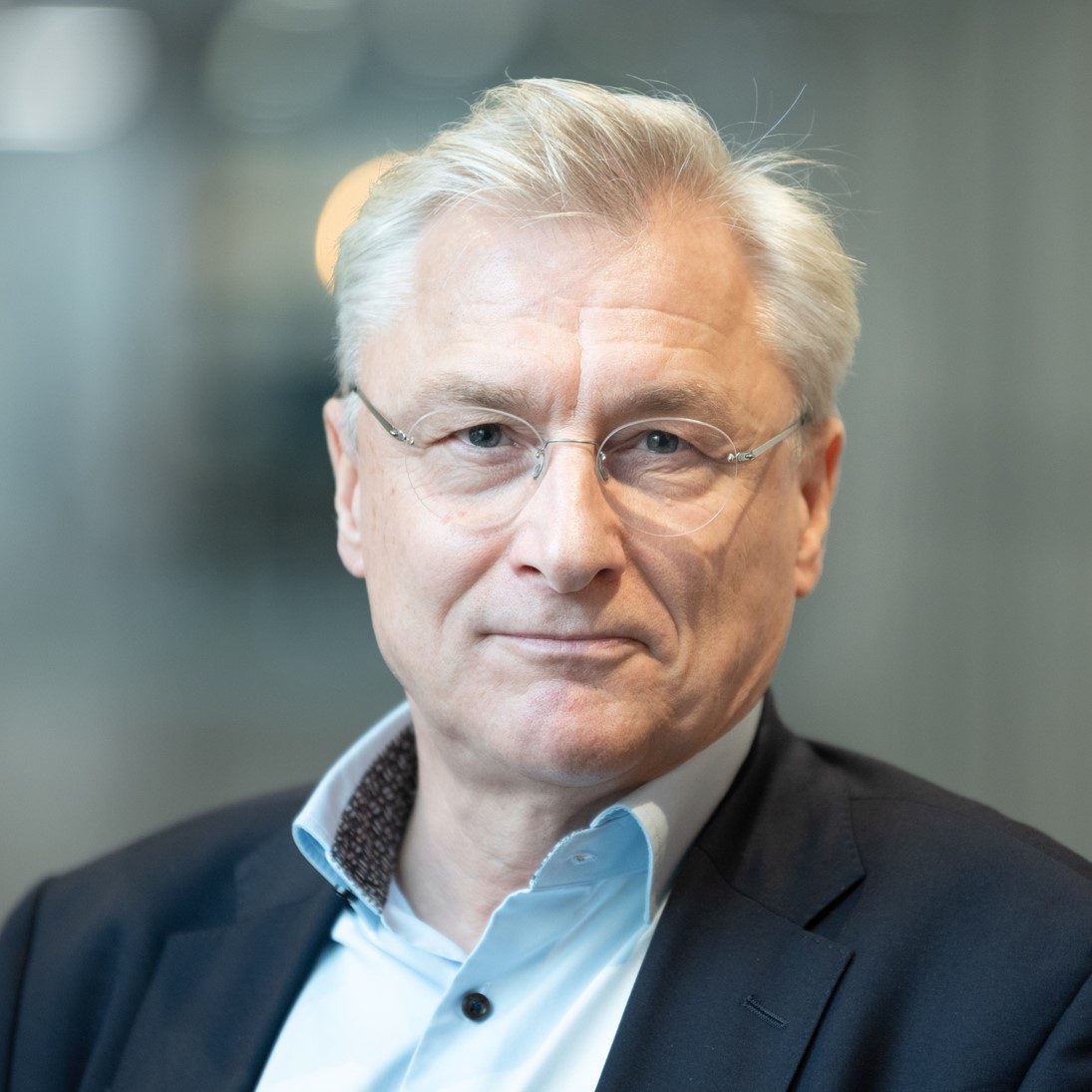
Director of Corporate Development, CSC – IT Center for Science Management Board
Per Öster is Director of Corporate Development and member of the CSC – IT Center for Science Management Board. He has been with CSC since 2007, leading business activities in the areas of HPC, research infrastructures, and business development. His current focus is on international collaboration and growth opportunities. Over the years, Per has represented CSC and led its participation in several international initiatives and organizations such as European Grid Infrastructure (EGI) and the European Open Science Cloud (EOSC). Presently he is Chair of the European Collaborative Data Infrastructure Council and Chair of the Board of Directors of its legal entity, EUDAT Ltd; board member of ELIXIR, the European bioinformatics research infrastructure; member of the EuroHPC Research & Innovation Advisory Group (RIAG); and board member of NORDUnet, the Nordic NREN. He is also leading CSC’s participation in TPC and the associated EuroTPC project. Per has more than 30 years of experience in computational science, spanning both academia and industry. He holds a doctorate in physics from the Department of Physics at the University of Gothenburg / Chalmers University of Technology.
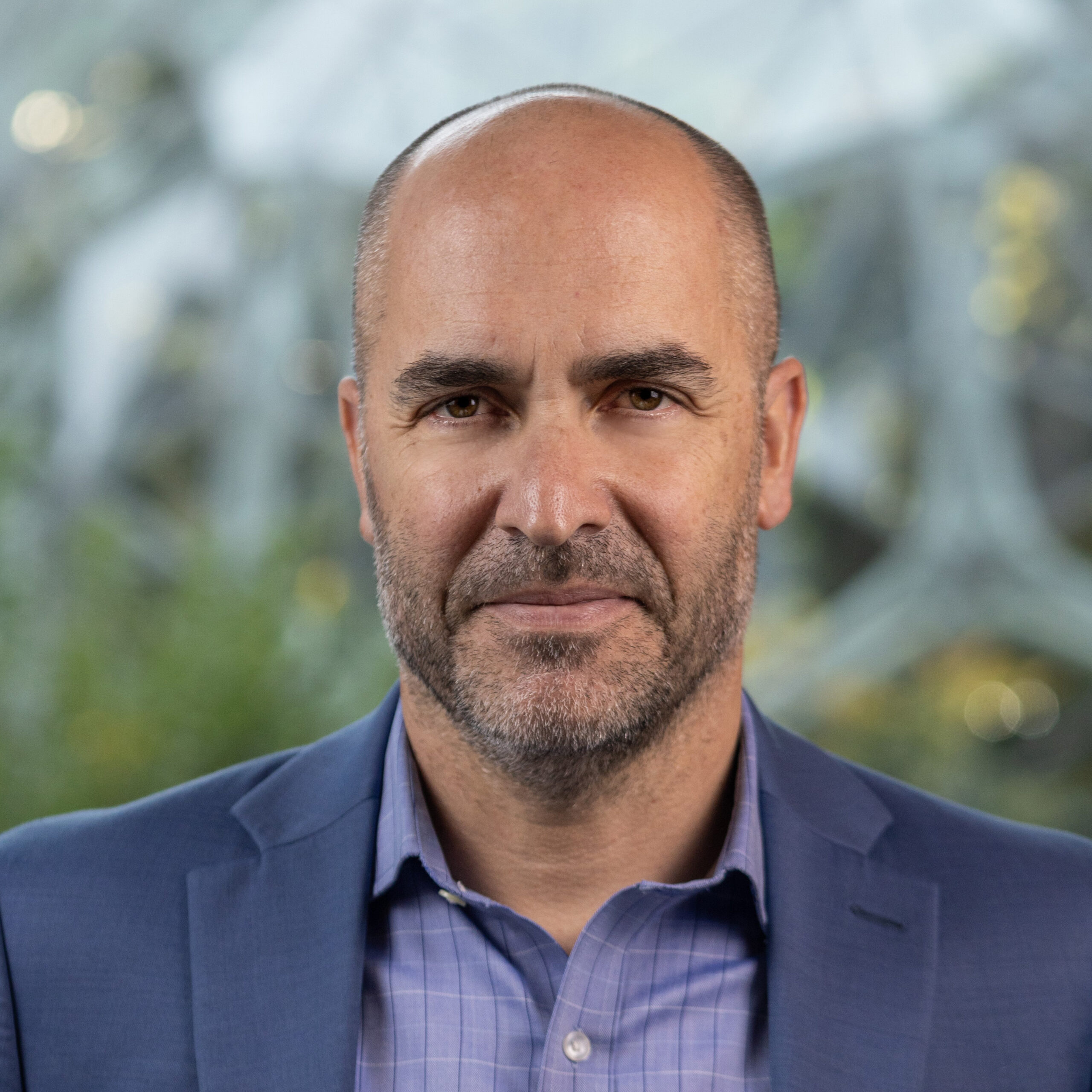
Global Head of Advanced Computing, Amazon Web Services
Thierry Pellegrino is the Global head of Advanced Computing at AWS, a role in which he oversees HPC, domain-specific ML, IOT, and Quantum for the company. In his last industry role, Thierry was CEO of Penguin Computing, and prior to that he spent 23 years with Dell, where he was the Head of the HPC and AI business. Thierry has held multiple leadership roles over his career, ranging from engineering to strategy, M&A, and business leadership, and has had the privilege to sit on the board of GRC’s and Penn State’s ICDS.

SVP Global Marketing, Hammerspace
Molly Presley is the SVP of Global Marketing for Hammerspace and the host of the very popular Data Unchained podcast. She brings a wealth of experience from leading product and marketing organizations, user communities, and customer advisory boards for global technology innovators including DDN, Qumulo, and Quantum. Molly is the founder of the Active Archive Alliance, co-author of three books focused on putting data to use in research, analytics, and AI environment, and was a previous board member of the Storage Networking Industry Association (SNIA).
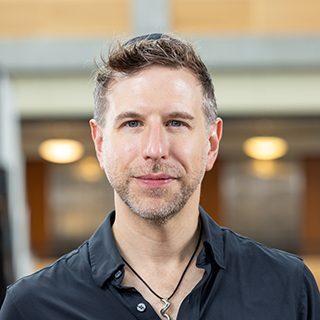
Vice Provost for AI, Charles and Lisa Simonyi Endowed Chair for Artificial Intelligence and Emerging Technologies, and Professor, Paul G. Allen School of Computer Science & Engineering, University of Washington
Noah A. Smith is the inaugural Vice Provost for Artificial Intelligence and Charles and Lisa Simonyi Endowed Chair for Artificial Intelligence and Emerging Technologies at the University of Washington, where he is also a Professor in the Paul G. Allen School of Computer Science & Engineering. He is Senior Director of NLP Research at the Allen Institute for Artificial Intelligence, directs the OLMo open language modeling effort, and leads the NSF- and NVIDIA-supported project “Open Multimodal AI Infrastructure to Accelerate Science.” Noah’s research spans language and music technologies, multimodal AI, and multifaceted evaluation of AI systems.
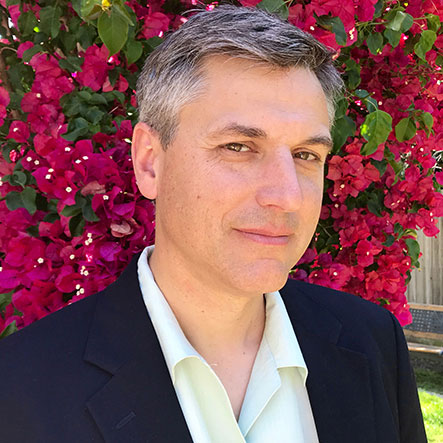
Co-Founder & Chief Executive Officer, Intersect360 Research
Addison Snell is a veteran of the HPC industry and the co-founder and CEO of Intersect360 Research, now in its 15th year delivering forecasts and insights for high-performance markets. Intersect360 Research is a premier source of market information, analysis, and consulting for HPC and hyperscale industries worldwide. Addison is a frequent keynote speaker and panel moderator at industry events, has testified before the U.S.-China Economic & Security Review Commission Congressional Subcommittee, and was named one of 2010’s “People to Watch” by HPCwire. Prior to Intersect360 Research, Addison was an HPC industry analyst for IDC. He originally gained industry recognition as a marketing leader and spokesperson for SGI’s supercomputing products and strategy. Addison holds a master’s degree from the Kellogg School of Management at Northwestern University and a bachelor’s degree in Mathematics from the University of Pennsylvania.
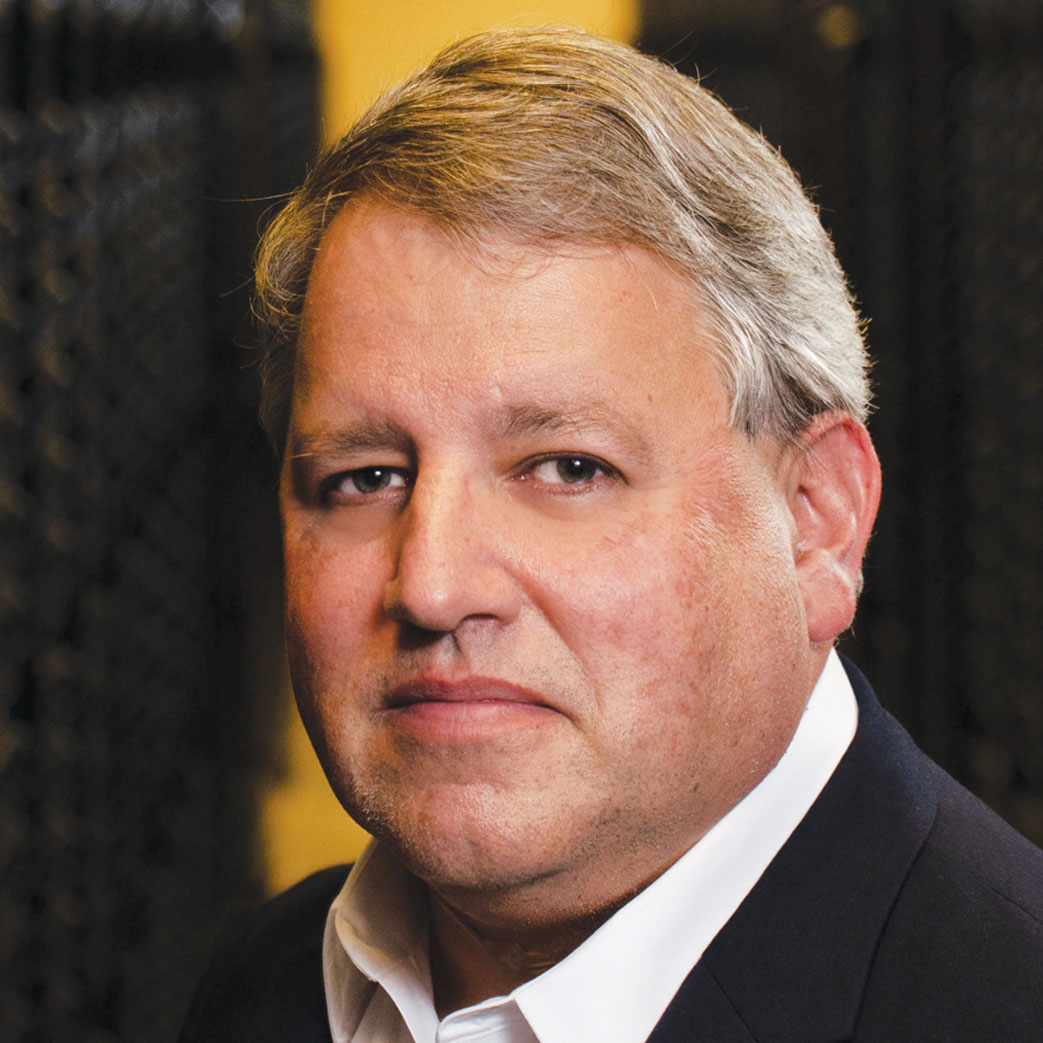
Executive Director, Texas Advanced Computing Center (TACC) | Associate Vice President for Research, UT-Austin
Dr. Dan Stanzione is a nationally recognized leader in the field of high performance computing who has made an impact in the open science community for more than 30 years. He is Executive Director of the Texas Advanced Computing Center (TACC), one of the leading advanced academic computing centers in the world, and holds the position of Associate Vice President for Research at The University of Texas at Austin. Dan serves as the principal investigator (PI) for the U.S. National Science Foundation (NSF) Leadership Class Computing Facility (LCCF), which will deploy Horizon, the largest academic supercomputer dedicated to open science research in the NSF portfolio. Dan is also the PI for several other NSF-funded supercomputers, including Frontera, the fastest supercomputer at a U.S. university, and Vista, an AI-centric system — all dedicated to open science research. Dan received his bachelor’s degree in electrical engineering and his master’s degree and doctorate in computer engineering from Clemson University.
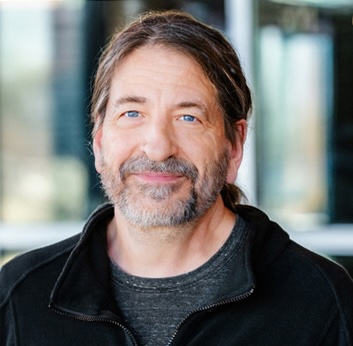
Associate Laboratory Director - CELS and Argonne Distinguished Fellow, Argonne National Laboratory | Professor of Computer Science, The University of Chicago
Rick Stevens is a Professor of Computer Science at the University of Chicago and the Associate Laboratory Director of the Computing, Environment and Life Sciences (CELS) Directorate and Argonne Distinguished Fellow at Argonne National Laboratory. His research spans the computational and computer sciences from high-performance computing architecture to the development of advanced tools and methods. Recently, he has focused on developing AI methods for a variety of scientific and biomedical problems, and also has significant responsibility in delivering on the U.S. national initiative for Exascale computing and developing the DOE’s Frontiers in Artificial Intelligence for Science, Security, and Technology (FASST) initiative.
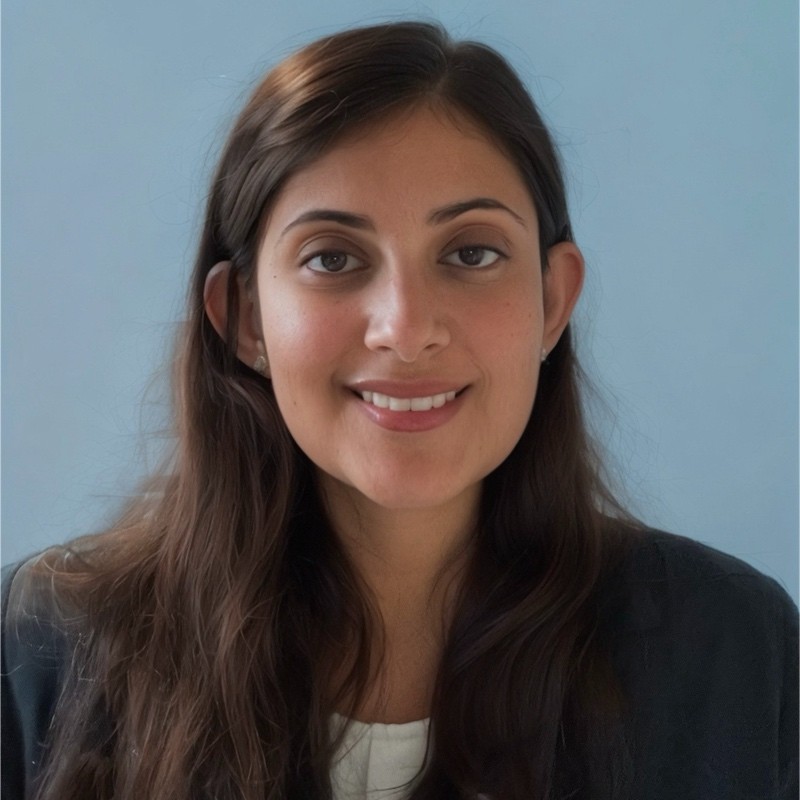
HPE Fellow, Vice President, and Chief Hardware Architect for HPC and AI Infrastructure Solutions, HPE
Samantika Sury serves as an HPE Fellow, Vice President, and Chief Hardware Architect for HPC and AI Infrastructure Solutions. She leads the Future Technologies team, which focuses on advancing hardware and software system innovations. Her expertise lies in architecting, building, and optimizing systems for HPC and AI. Prior to joining HPE, Samantika held prominent roles at Samsung, where she served as Vice President and Chief Hardware Architect for HPC. At Samsung, she spearheaded the development of novel HPC and AI system technologies, including proof-of-concept testbeds and architecture design. Samantika has also previously worked at Intel as a Senior Principal Engineer, driving silicon and system architecture innovations into marketable products. At Intel, she was the Principal Investigator and Lead Architect for the DOE PathForward Program and served as the Lead Architect of HPC-Custom Silicon. In addition to her extensive professional accomplishments, Samantika holds 32 U.S. and international patents, has published 20 peer-reviewed papers, and has delivered numerous invited talks. She is a recipient of ACM and IEEE best paper awards and has actively contributed to several program committees, organizing bodies, and fellowship initiatives. Samantika earned her Ph.D. in Computer Science from the Georgia Institute of Technology.
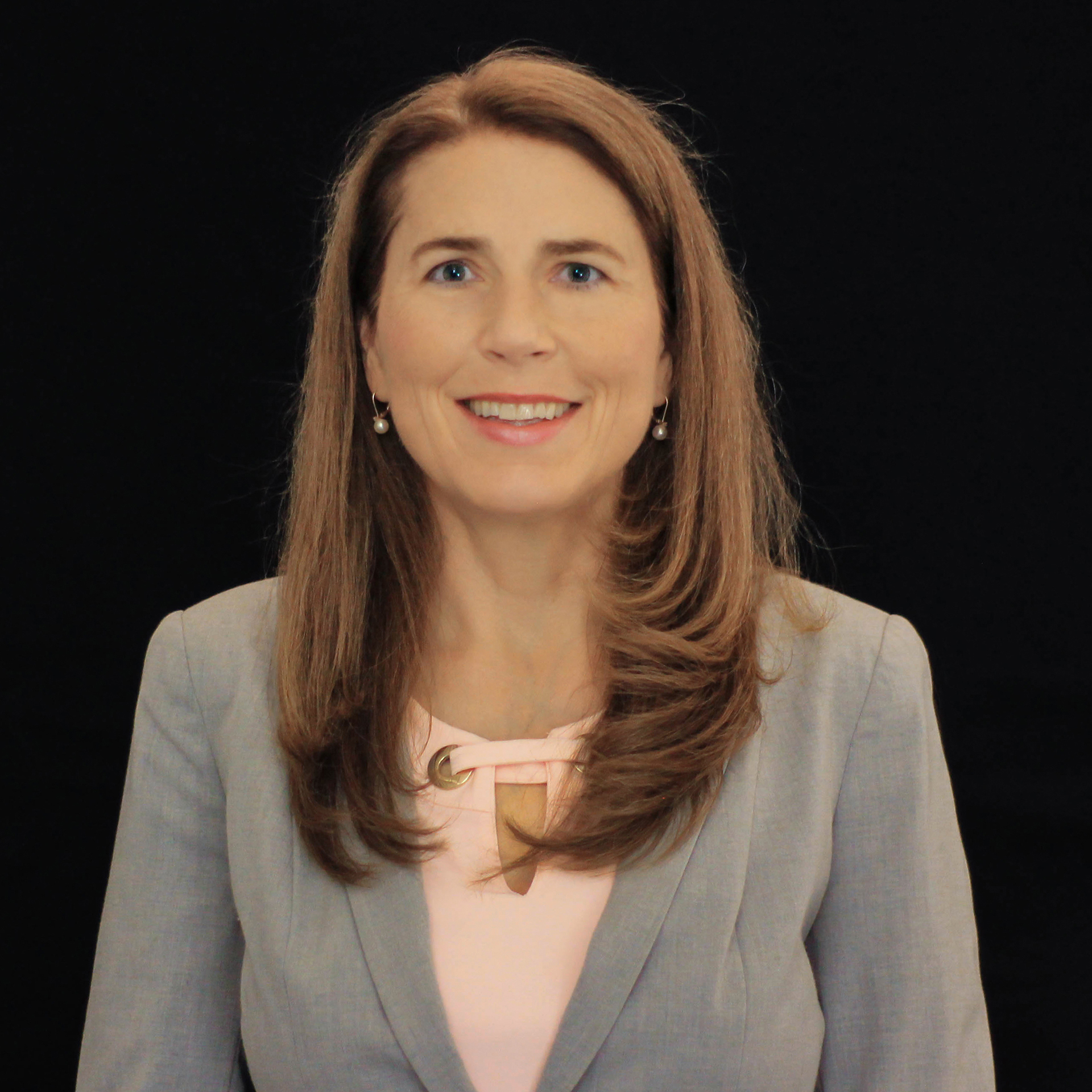
AI and Scientific Computing Team Scientist, Los Alamos National Laboratory
Christine Sweeney is a computer scientist in the Computing and AI Division at Los Alamos National Laboratory. She currently works on the AI for Mission (ArtIMis) project, producing scientific foundation models for predicting time evolution of partial differential equations. She also researches AI workflows for the NNSA Advanced Simulation and Computing (ASC) program. Christine has extensive experience in HPC and participated in two Exascale Computing Project (ECP) teams (ExaLearn and ExaFEL) and was part of several ECP-related hackathons that brought together team members from multiple institutions. Christine has a Masters of Science in Computer Science from the University of Washington.
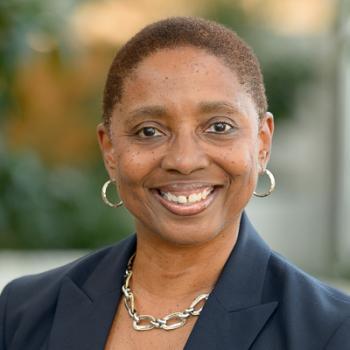
Director, Mathematics and Computer Science Division, Argonne National Laboratory
Valerie Taylor is the director of the Mathematics and Computer Science Division at Argonne National Laboratory. She received her Ph.D. in electrical engineering and computer science from the University of California, Berkeley, in 1991. She then joined the faculty in the Electrical Engineering and Computer Science Department at Northwestern University, where she was a member of the faculty for 11 years. In 2003, Valerie joined Texas A&M, where she served as head of the computer science and engineering department and senior associate dean of academic affairs in the College of Engineering, as well as a Regents Professor and the Royce E. Wisenbaker Professor in the Department of Computer Science. Valerie’s research is in the area of performance analysis and modeling of parallel scientific applications. Currently, she is focused on the areas of performance analysis, power analysis, and resiliency. Valerie Taylor is a fellow of IEEE and ACM.
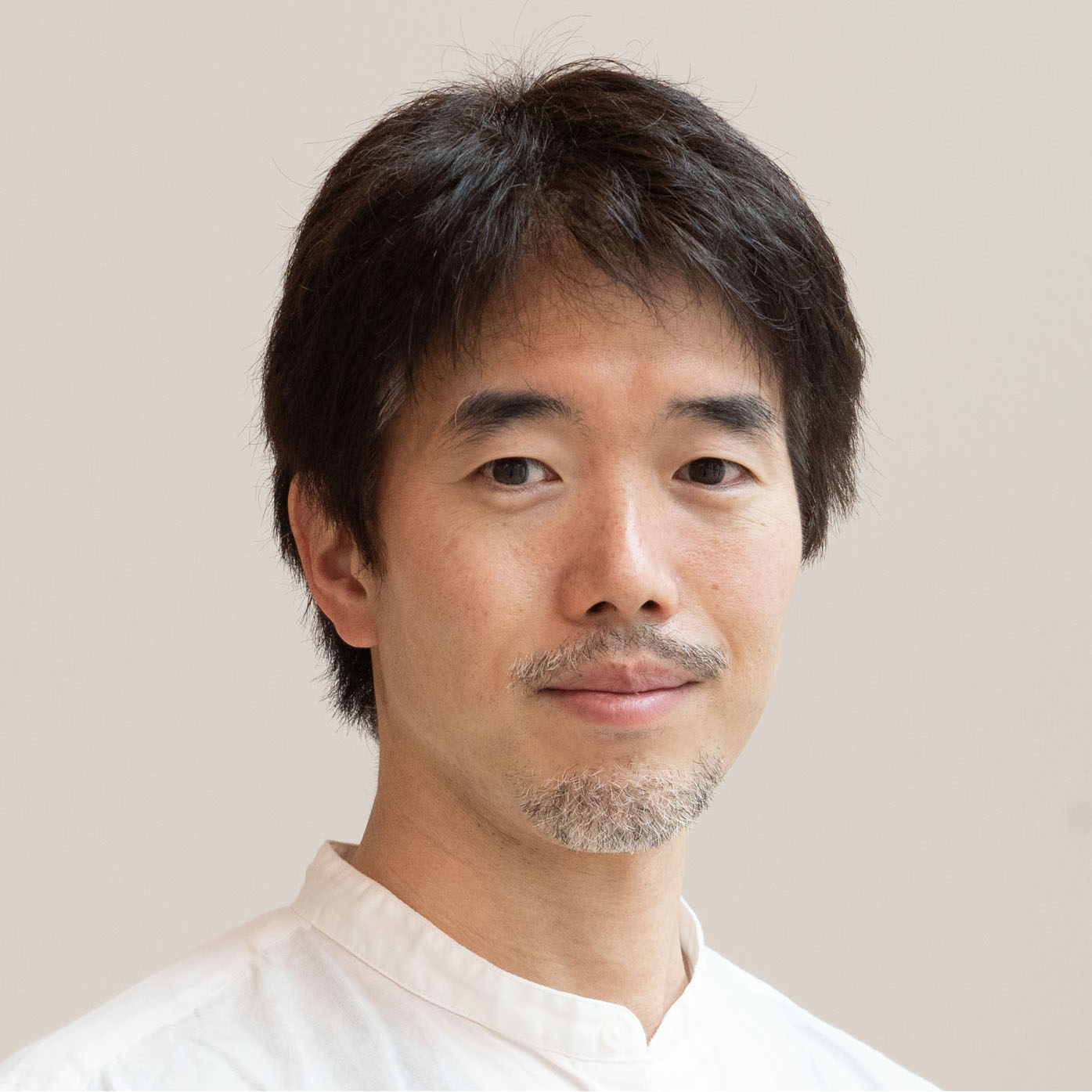
Professor, Institute of Science Tokyo | Team Principal, RIKEN Center for Computational Science
Rio Yokota is a Professor at the Supercomputing Research Center, Institute of Science Tokyo. He also leads the AI for Science Foundation Model Research Team at RIKEN CCS. His research interests lie at the intersection of HPC and ML. He has been optimizing algorithms on GPUs since 2007, and was part of a team that received the Gordon Bell prize in 2009 using the first GPU supercomputer. He has been leading distributed training efforts on Japanese supercomputers such as ABCI, TSUBAME, and Fugaku.
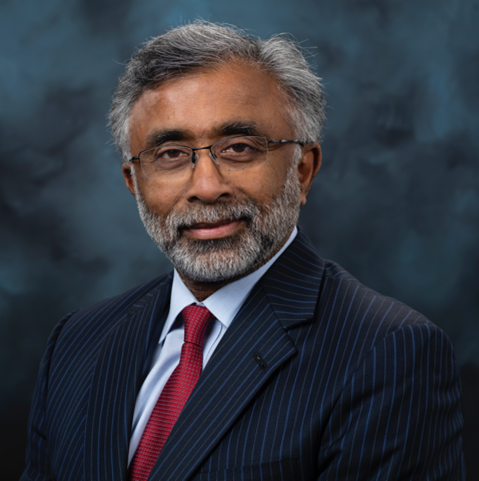
SVP, Strategic Technical Partnership and Public Policy, AMD
Dr. Thomas Zacharia leads AMD’s global expansion of public and private partnerships, engaging with governments, NGOs, and other organizations to accelerate the deployment of AMD-powered AI solutions. These initiatives support a rapidly growing number of global projects and applications focused on leveraging AI for the public good. A distinguished industry leader, Thomas brings extensive experience in scientific research, technology development, public policy, and strategic partnerships. Over his 35-year tenure at Oak Ridge National Laboratory (ORNL), he served as Director and oversaw the creation and implementation of the AMD-powered Frontier supercomputer — the first to break the Exascale barrier. Frontier, powered by AMD EPYC processors and AMD Instinct accelerators, has been recognized as the world’s fastest supercomputer by the TOP500 list since May 2022. Under Thomas’ leadership, ORNL established itself as the premier high-performance computing center globally, with four successive systems ranked No. 1 on the TOP500 list. From 2012 to 2015, Thomas served as Executive Vice President of the Qatar Foundation for Education, Science, and Community Development, where he set the vision for Qatar’s investment of 2.8 percent of its GDP in research and development. He also chaired the Qatar Science and Technology Park, fostering industry and university partnerships to advance initiatives in public health, computing, and energy. Thomas is Chair of the Board of Directors for the Nashville Branch of the Federal Reserve Bank of Atlanta. He holds a B.S. in Mechanical Engineering from the National Institute of Technology Karnataka, Surathkal, India; an M.S. in Materials Science from the University of Mississippi; and a Ph.D. in Engineering Science from Clarkson University.

TPC26 is produced by TCI Media, home of the Wire Publications:




© 2026 TCI Media.
TPC25 is produced by TCI Media, home of the Wire Publications:
© 2025 TCI Media.